Why your three quotes don't match β and what it's costing you
One's $40K higher than the other for the "same" job. Here's what's actually going on, and how to read the difference before it costs you.
I'm not a contractor after your job. After 20+ years building across the GTA, I help homeowners and investors figure out what's actually going on β so you stop guessing and start making good decisions.
No sales pitch. Tell me what's going on, I'll tell you if I can help.
Renovations go sideways in a handful of predictable ways. Here's the mess β and the move that gets you out of it.
Most people don't need one more person bidding on their job. They need someone in their corner who has no stake in who they hire β just the truth, plainly, from someone who's built it all before.
That's the whole idea. Do right by people, give them the truth, and send them off in better shape than I found them.
Every project's a little different, so prices start here and we scope your exact situation on a free 15-minute call.
I'm a husband, a father of two, and a Christian. That's the part that matters most β and it's why I do this the way I do.
I've spent 20+ years in residential construction and worked just about every side of it: code consulting, production homes, site supervision, construction management, and my own infill builds as both a developer and a consultant. I'm also building AI-driven systems to run job sites better, because the industry's been slow to catch up and I'd rather be ahead of it.
But the calls I get most aren't from developers. They're from friends, and friends of friends: "Steve, can you look at this quote?" "Is this invoice right?" "My reno's a disaster β what do I do?"
So I made it official. I have no stake in who you hire. I'm paid to protect you, tell you the truth, and send you off in better shape than I found you.
Before you sign anything, run your quote through this checklist. It's the same thing I look for first β pulled from 20+ years of catching problems before they cost people money.
Two decades of builds, rescues, and consulting across the GTA and the Golden Horseshoe. Here's a sample.
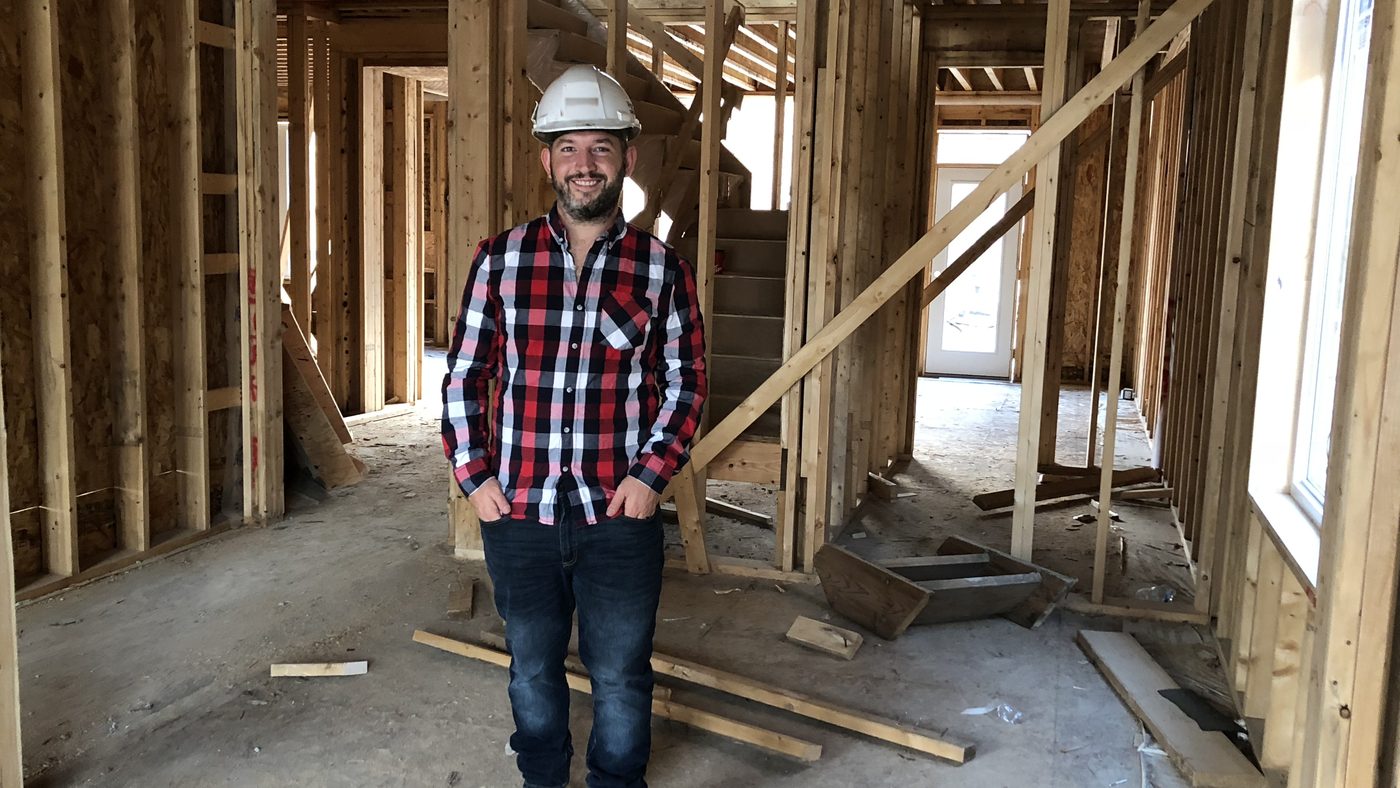
A 2,400 sq ft contemporary farmhouse built on a severed infill lot β a brand-new custom home added to an established neighbourhood.
New construction Β· a Gateway Group development & build project.
A Hamilton home finished with family-focused kitchens, island seating, and clean modern detailing β comfort and quality without losing its character.
New construction Β· a Gateway Group development & build project.
An oversized corner lot severed and built into semi-detached homes with legal, fully separate basement suites β five residential units adding real housing inside the city.
New construction Β· a Gateway Group development & build project.
A semi-detached new build turned into multiple independent, self-contained suites. Steve advised on the drawings, construction schedule, and next steps to keep the build on track.
New construction Β· Steve served as the independent construction consultant.
Want to see work like yours? Ask me on a free call.
Plain-language guidance from someone who's been on every side of a job site. No jargon, no upsell.
One's $40K higher than the other for the "same" job. Here's what's actually going on, and how to read the difference before it costs you.
How much should you really pay up front? The single most common way homeowners get burned β and the simple line that stops it.
Work's half done and they've stopped answering. Before you panic or pay anyone else, do these things first to protect yourself.
You did the smart thing. You got three quotes. And now you're staring at them more confused than when you started, because one's $40,000 higher than another for what looks like the exact same job.
Here's the truth: they're almost never the same job. They just look that way on paper.
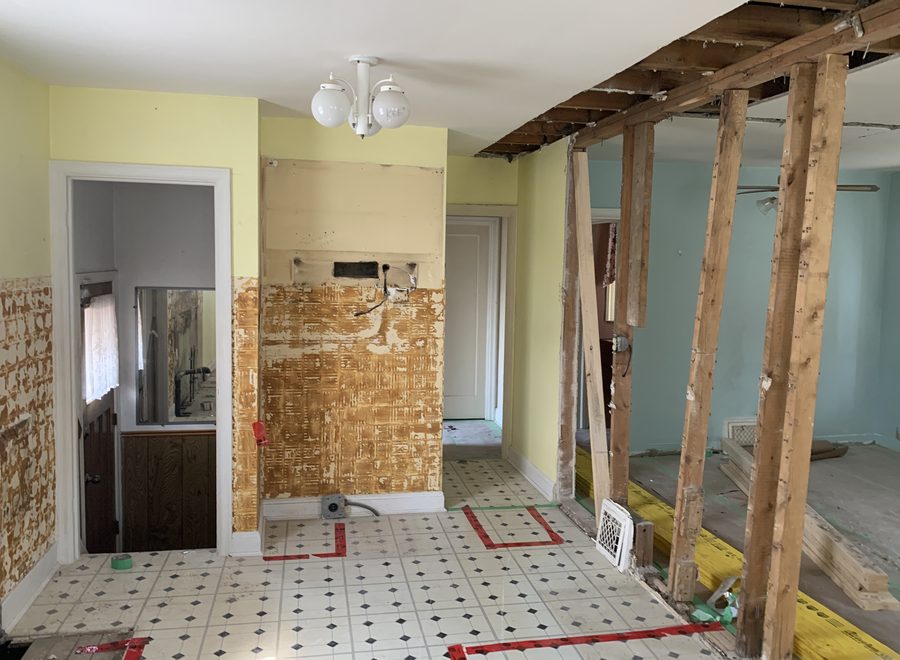
One contractor sees your bathroom and prices a full tear-out to the studs. Another plans to work around what's there. Same room, completely different scope β and the price gap is real, not a mistake. Neither is necessarily wrong. But you're the one who has to know which one you're actually buying.
The lowest quote often wins by hiding the real cost in "allowances." A $2,000 tile allowance sounds fine until you walk into the showroom and every tile you like blows past it. Suddenly the cheap quote isn't cheap β it's just deferred. The higher quote may simply be honest about what your choices will cost.
Permits. Disposal. Protecting your floors. Fixing the surprise the other guy pretended he wouldn't find. The gaps between quotes usually aren't about markup β they're about what each contractor quietly left out, planning to bill it later as an "extra."
If you remember one thing before hiring anyone, make it this: be very careful about how much you pay before a single tool comes out.
In Ontario, a reasonable deposit is generally in the range of 10β15% to secure your spot and cover initial materials. When someone asks for 40%, 50%, or "half up front," that's the single most common setup for a homeowner losing money to a contractor who takes the deposit and vanishes β or slows to a crawl because they've already been paid.
Your payment schedule should be tied to completed stages β "on framing completion," "on drywall" β not to calendar dates. Date-based payments let a contractor collect while the work falls behind. Milestone payments keep their cash flow honest and keep the job moving.
Before you release the next payment, the previous stage should be actually done and, ideally, checked. Once money's out the door, your leverage is gone.
The work's half done. The money's mostly gone. And they've stopped answering your calls. It's a sick feeling β but what you do in the next few days matters a lot. Here's where to start.
Before anything else, photograph the entire site β every room, every unfinished detail, every defect. Save every text, email, invoice, and contract. This record is what protects you, whether you end up negotiating, hiring someone new, or pursuing them.
If you bring in a new contractor, do not let them cover up or redo work until the incomplete and defective work is fully documented and you've formally noted that it wasn't done by them. Otherwise you risk owning someone else's mistakes.
You need to know exactly where you stand: what's actually complete, what was paid for, what's defective, and what it'll really take to finish. Guessing here is how people lose money twice.
Fill this out and I'll get back to you fast β usually same day. No pressure, no pitch. Just tell me where you're stuck and I'll tell you honestly whether I can help and what it'd cost.